
Back on the Street
Photos of movement, joy and resistance

Intro para: This is the first piece that I’ve written in a long time that is not focused on trees. I miss them, and you probably will too, because this one is a bit unfocused in general, but I think I get there in the end…
We have tested and tasted too much, lover-
Through a chink too wide there comes in no wonder.
But here in the Advent-darkened room
Where the dry black bread and the sugarless tea
Of penance will charm back the luxury
Of a child’s soul, we’ll return to Doom
The knowledge we stole but could not use.
And the newness that was in every stale thing
When we looked at it as children…
(opening lines of Patrick Kavanagh’s poem, Advent)
It’s been nearly a year since I’ve posted on substack and in that time the medium has exploded with posts that begin with, ‘It’s been xxx length of time since I posted on substack’, which I just think is a funny little justification to write something. As if you’d have to preface contributing to a conversation by saying ‘It’s been ten minutes since I’ve spoken…’
Substack has also exploded with ‘We are living in the awful times because of capitalism’ posts, which is also, now unquestionably, true (although, it might be extended to ‘capitalists’; it’s not the system raining bombs down on Gaza, Iran, starving Cuba etc).
Capitalism performs a consistent reverse Midas touch; slowly destroying everything of value by rapidly running the gamut of greed and exploitation to saturation and death.
I don’t mean literal death, necessarily (though often that too), but the death of originality, passion and purpose.
Every basic facet of human life in most societies is touched by this - food, shelter, music, connection, society, sex, politics, our bodies, the earth- and the internet is the most ferocious capitalist engine we’ve seen since the combustion engine.
Bland photos
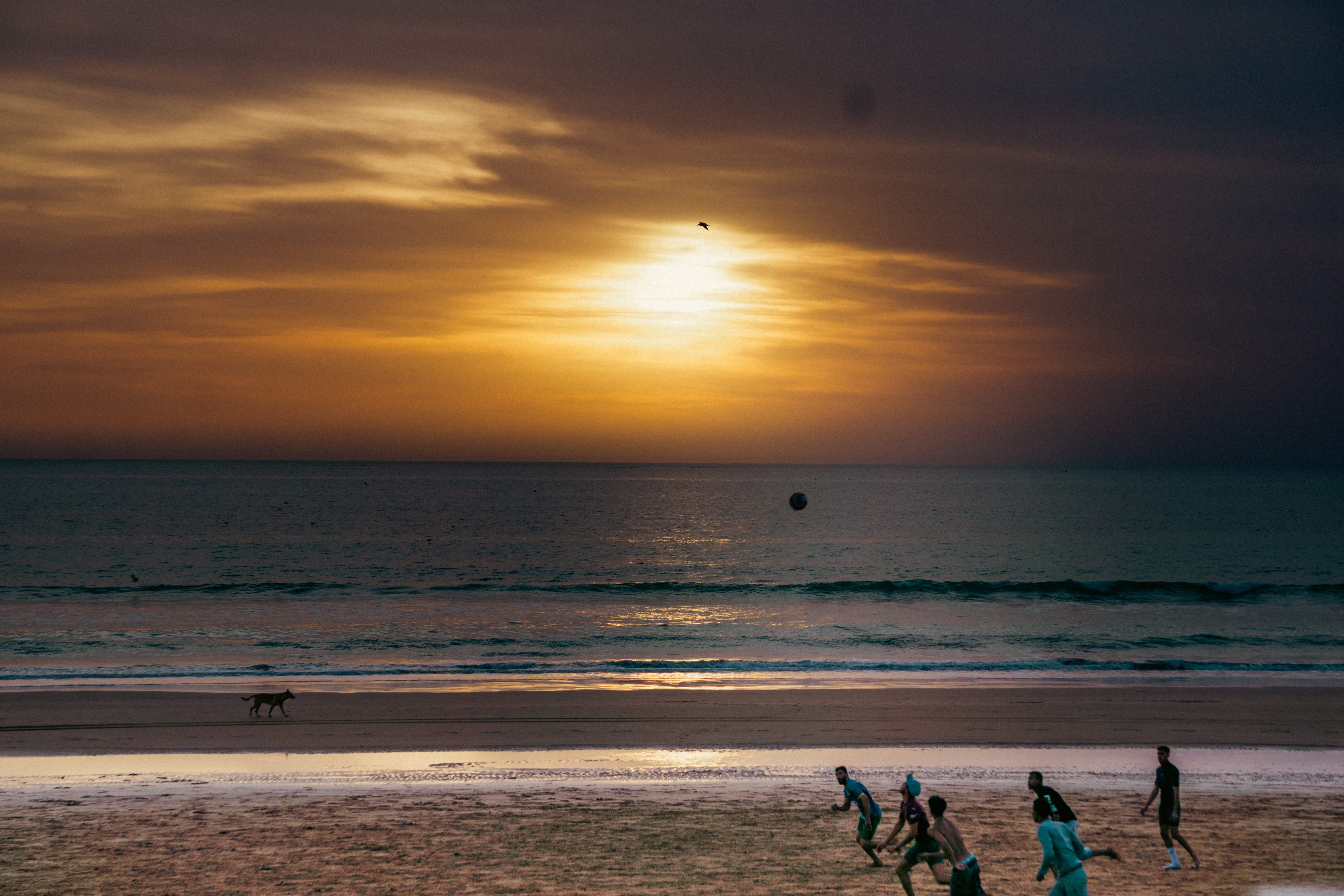
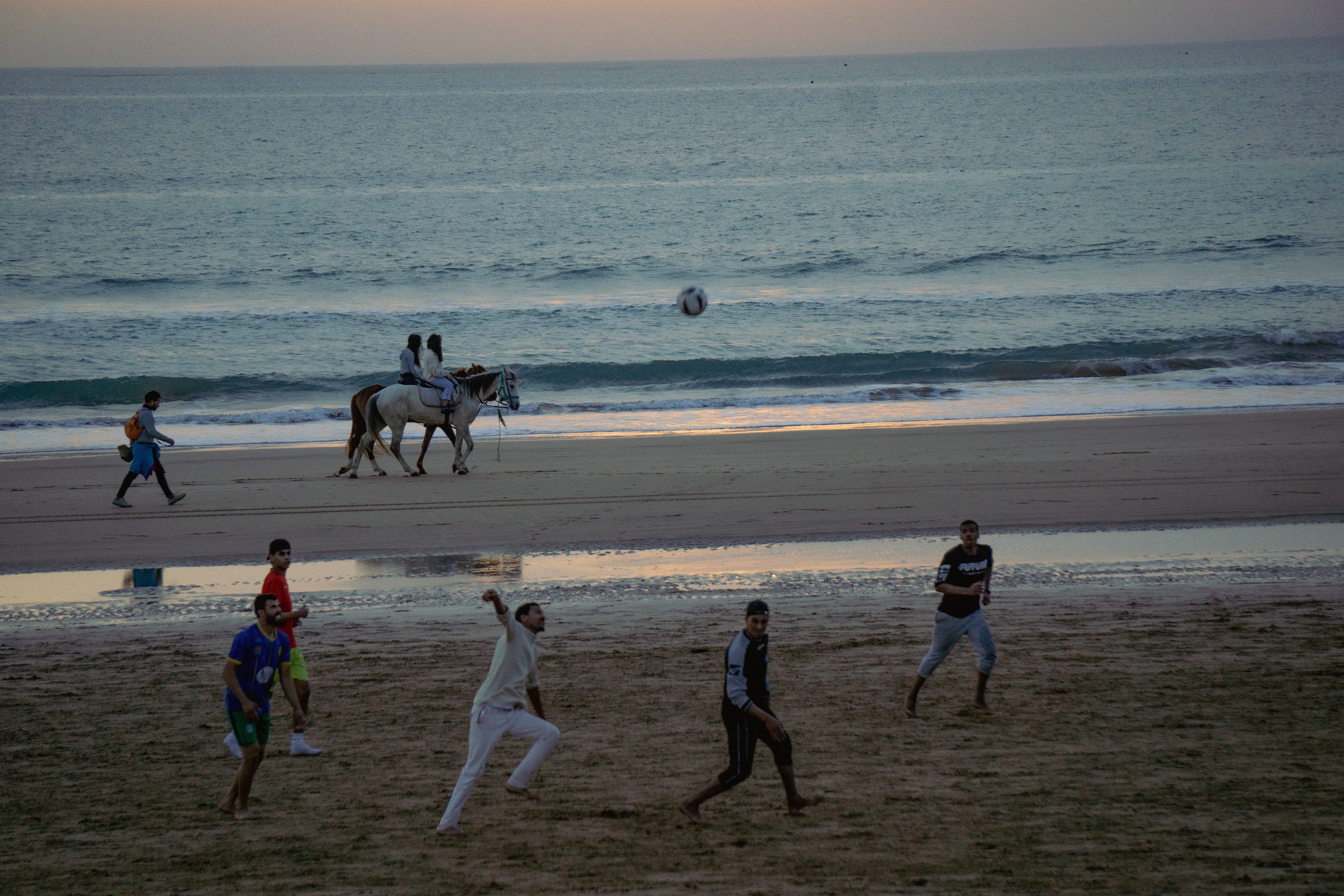
Instagram often makes me think of the Patrick Kavanagh poem that we studied in school- Advent. It’s about how familiarity breeds contempt; saturation washes out wonder and value.
There’s something really cutting about the worst aspects of modern society- the greed-fueled tech capitalism that we all wish would just fuck off- eroding our collective sense of wonder, of aesthetic appreciation; capitalists moulding and corrupting our perceptions of beauty through insatiable profit seeking.
Maybe what’s equally galling is how in such a short space of time, the internet has altered our sense of self, how we feel within our bodies and how connected that is to image and personal aesthetics. There’s the well-publicised horror of young people feeling increasingly pressured into surgical interventions to conform to internet aesthetics, but I think most of us don’t realise how we are all affected on a much more mundane level when it comes to photography.
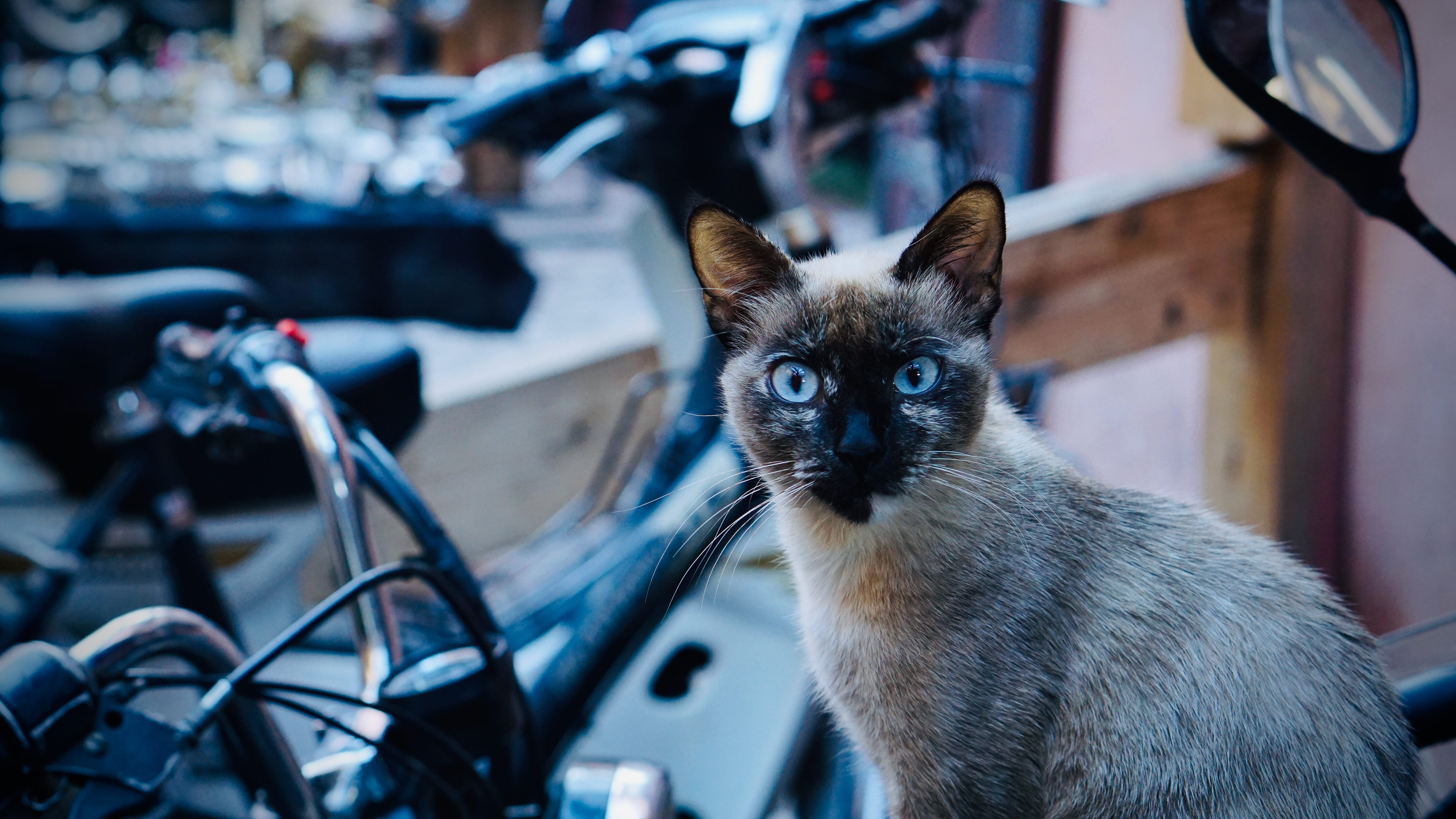
Don’t get me wrong, photography and portraiture in general has obviously always prompted a tug at vanity. But the ubiquity and ease-of-access to modern photography, combined with our underlying knowledge of the infinite nature of the internet, has changed the way we perceive a camera, and the resultant way that people look in photos.
Think of the way photos from previous decades look, even up to the early years of this century. People posing for photos look like they were doing exactly that: the camera is an exceptional intervention; a novelty. The poses in those photos are only rehearsed to the extent that people want to express their base emotion in the moment- most often joy for being present at that moment amongst the people they are being photographed with. People smile, perhaps unnaturally in some sense of the word, but at least honestly. The action is ephemeral, and the result- a photo on emulsified paper- is equally confined.
Now consider a modern photo.
Chances are that it will have been taken digitally. I’ve no strong feelings on that divide beyond the fact that many photos can be taken of the one thing, with the ‘best’ one preserved for posterity. But what gets me is that people now pose in a much more knowing sense; often they seem to embrace a sense of irony, with loose or exaggerated poses, but all too often even these poses are heavily informed, carefully curated and shameless in a way that can subtly undermine the value of the photo.
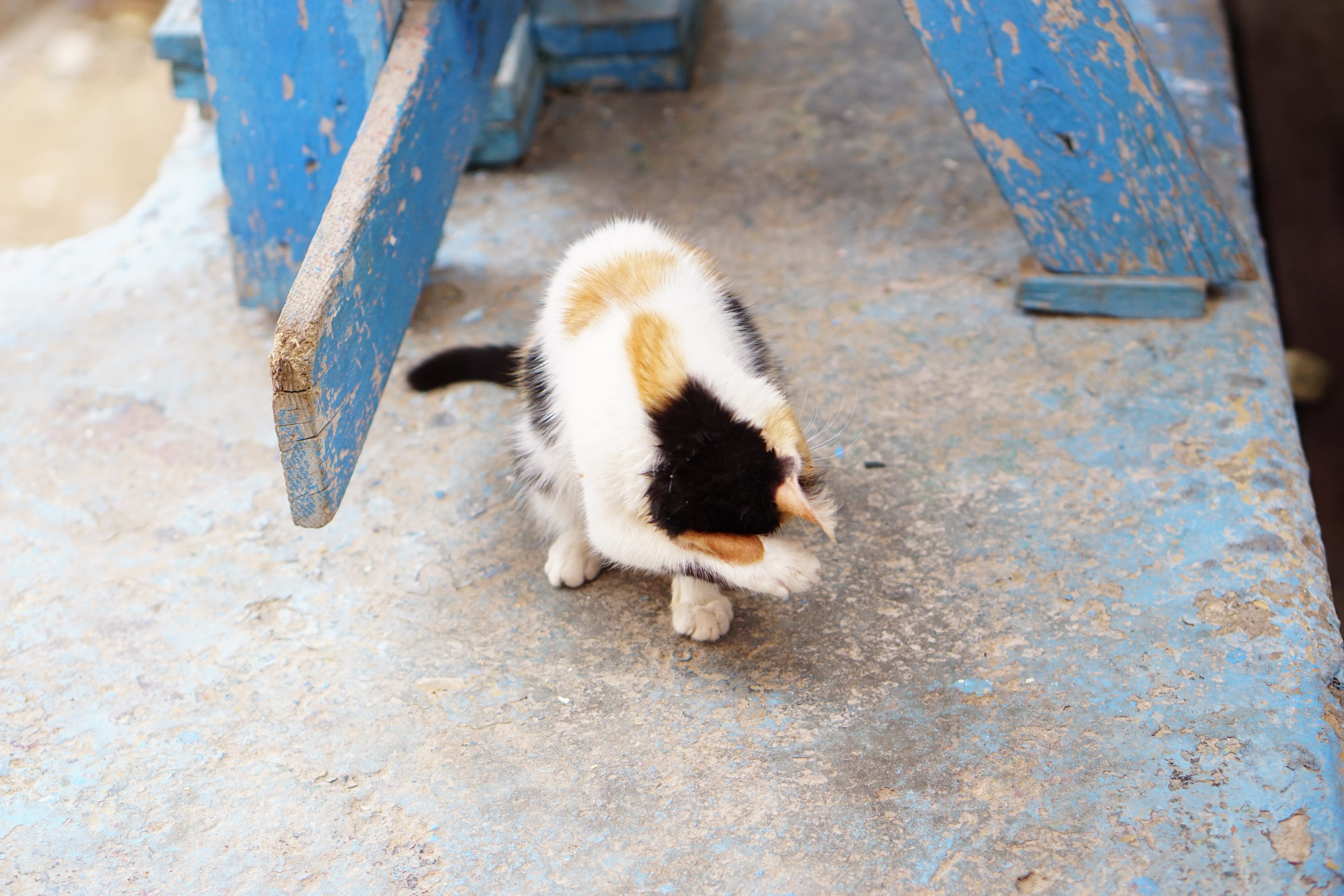
Shame, you say? Well yes, I think there is a value to the modesty of a portrait. There is a trade-off between confidence and vulnerability. Photographers will often talk about a subject illustrating both in equal measure, and of course there are aspects of a person’s confidence and vulnerability that can be highlighted simultaneously in a photo, but there’s no getting around the contradiction in terms. Very few consensually captured photos of anybody on social media, other than in states of distress, truly capture modesty or vulnerability in the way that could be done in an age before the internet.
If you think shame is too extreme a word, you’re probably right, but part of it comes from a cultural longing on my part. The Ireland that I, and most Irish people before me, grew up in, had a lot of issues, but one thing it was not was vain by any relative measure. I distinctly remember coming home from a sun holiday in Portugal with my friends around 2010 and thinking ‘well at least the bad weather shelters us from beach vanity’. Of course, there is shame and begrudgery tied in there, but I think there was a more visceral reaction to notion of being perceived based on your physical form.
Since then, the relationship between the human need for validation, self-worth and the commodification of sexuality has gained an extra toxic potency in the age of the overwhelming internet. When it comes to social media, people are feeding the very beast they want to destroy.
Won’t somebody think of the children!
Basic pavlovian reaction logic, and biological development, suggests one thing- that if we are trained and triggered to appear in photos in a particular way, to represent ourselves in a particular fashion, then children will learn along the same trajectory, but faster and more concretely.


I don’t have any children yet and I am in awe of those I know who do. The last thing they need is to listen to me, their childless/free photographer friend/relative lecture them on how awful cameras are for kids.
But I find myself feeling stronger about it that I ever expected. And I expect the reason for that is because I am conflicted:
On the one hand, photos of children are probably the most effective and important forms of photography out there. They capture the purity of youth and life in a way that is unparalleled. For those of us working in the humanitarian response sector, they are essential in communicating crises, showing the immediacy of injustice and human suffering. And for those of us who live in different continents to our siblings, they are currently invaluable.
But how do you reconcile these essentials with how the camera changes a person’s reality? How do you shy away from the fact that you are saying to a child ‘Here you are, and here is what I’m capturing- the physical side of you. That is your essential manifestation and representation to the world’?
Simpler times
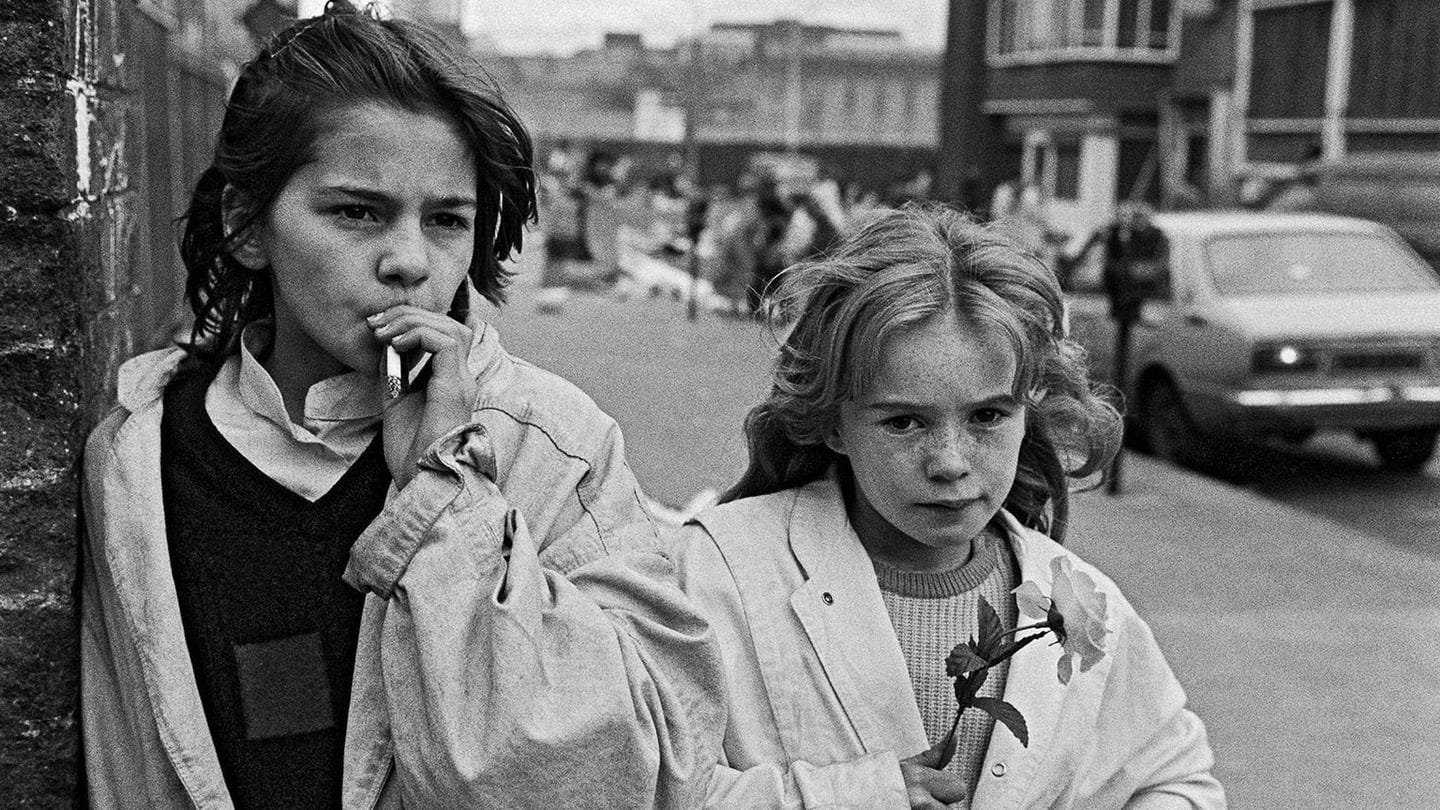
The great street photographer Tony O’Shea has taken some of the most amazing images of kids in Dublin and other parts of Ireland over the last 50 years. An aptly named Guardian photoessay of his work, ‘The Look of the Irish’ shows an Ireland that is chronologically recent but visually lightyears away from today.
The changing of Ireland over the last half century- socially, economically, demographically, religiously- has been both profound and rapid by any relative measure. The aesthetic expression of that change is breathtaking; there is nothing more stark in this regard than the way in which, and the conditions in which, children are photographed.
Tony photographed (and photographs, he’s still going) people mostly in their urban environment, with some of his most iconic images being taken a stones throw from where I currently live in the Liberties.
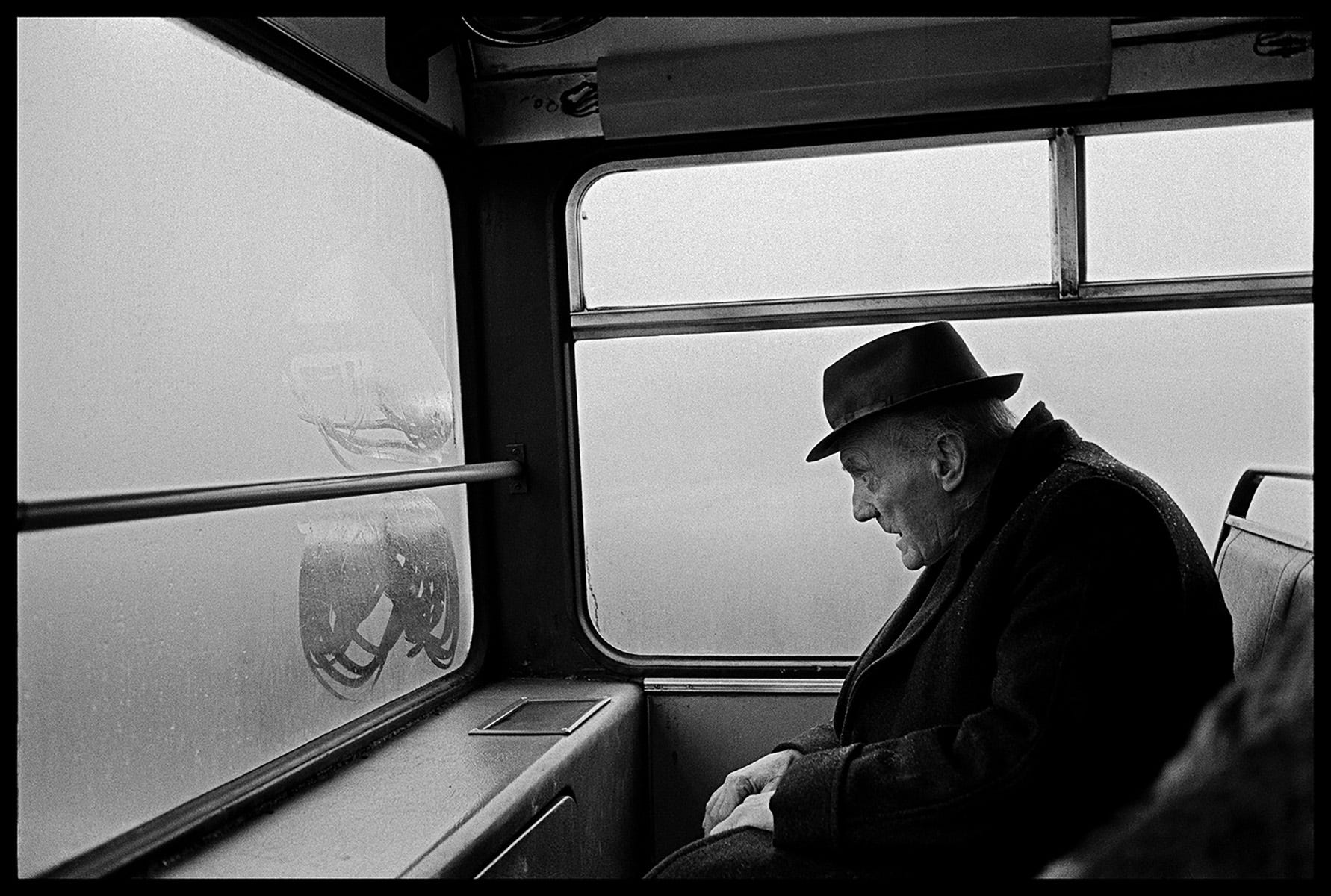
There are many reasons as to why you can’t replicate the images of the 80s and 90s. For one thing, you can’t really just point and shoot a camera at kids playing in the street anymore, especially if you are a grown man! But sadly, there is a deeper reason; the simple fact is that children don’t play outside as much anymore. Screens have replaced so many hours of real play, of and physical interaction, in a most devastating way, rapidly altering the experience of childhood for so many kids in Ireland and around the world.
The kids are alright
From a distance, it can seem as though that is the summation of a depressing reality for kids, but much of my friends and family who teach kids, or who have kids of their own are quick to remind me that it’s both worse and better than that. Children are now exposed to so much more, so much earlier, than they should be; the internet has created a truly awful world in that respect. But children are also inherently adaptive, resilient and much more playful and open with each other than older people.
Sometimes I have to visit schools for my communications work and I’m always so surprised and heartened with how schools operate now, at least the ones I’ve seen; how they seem to have created a far more inclusive and patient environment than when we were at school, how children are given breathing space and, above all, how children with particular challenges are properly cared for and integrated into the learning environment.
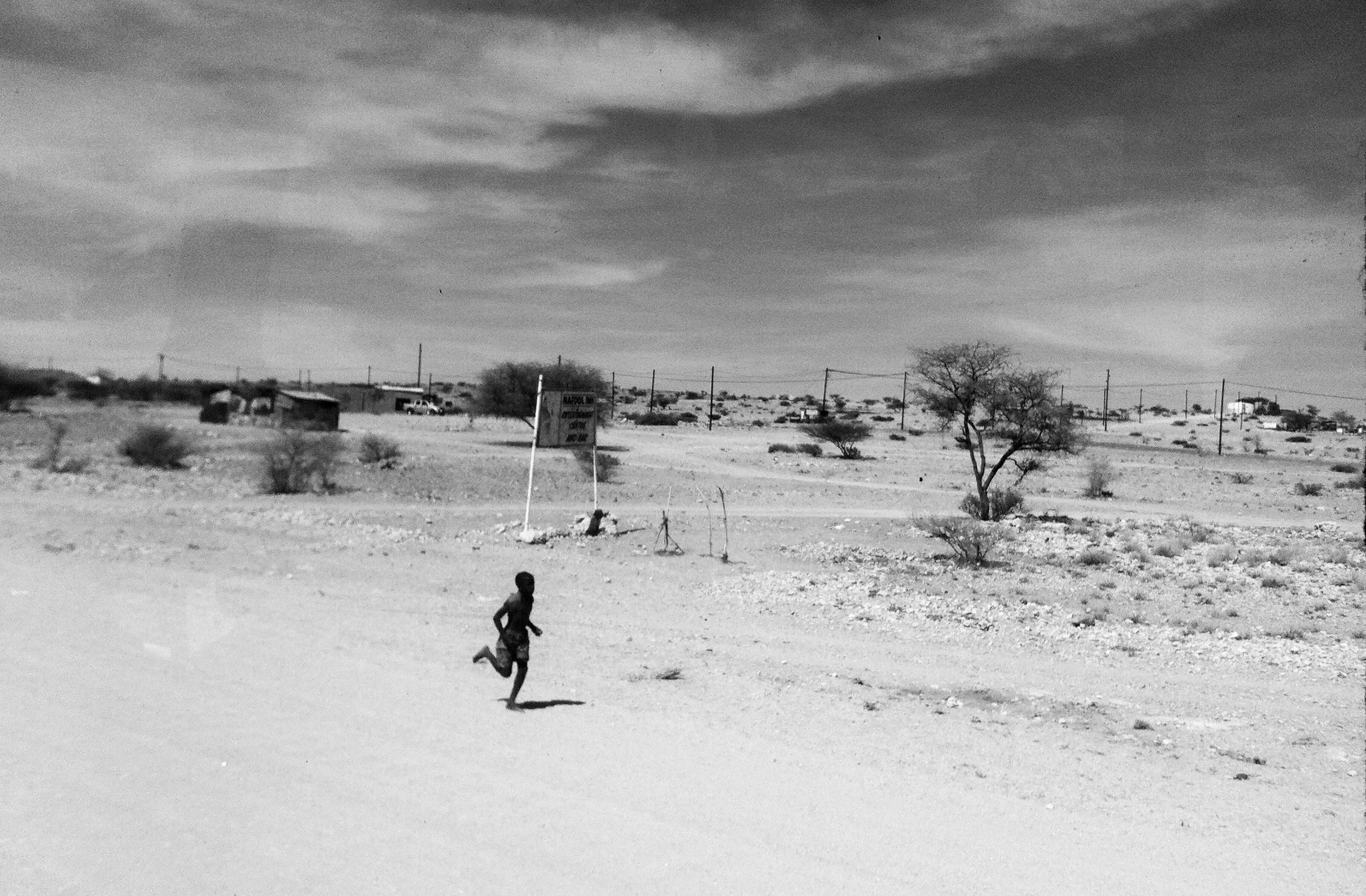
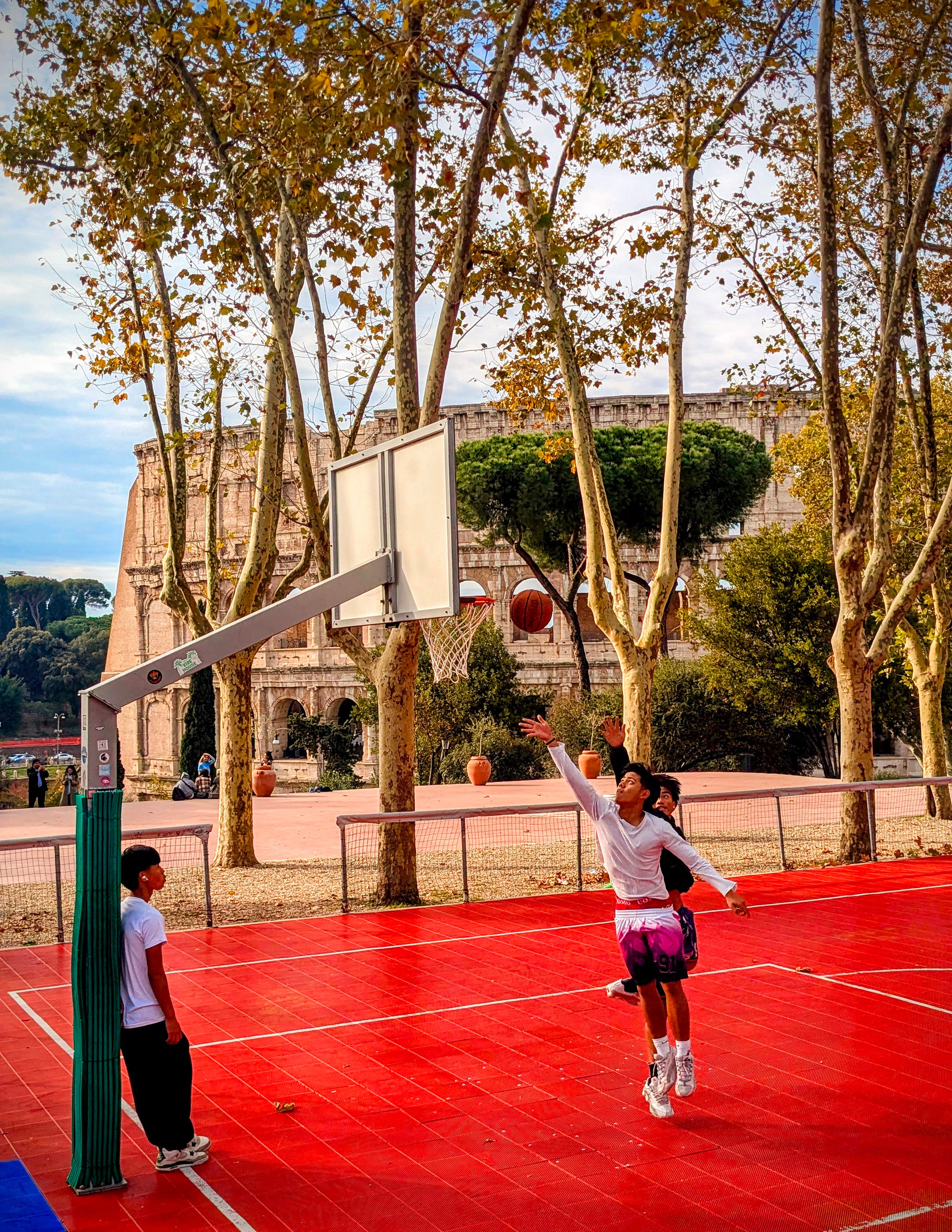
There is something of an obvious solution when you’re trying to transpose this unguarded stance to adults: photographing them doing something that occupies them. Music and sport offer the gateway to that unguarded ‘in-the flow’ expression that makes an original or evocative photograph.
It sounds like an obvious thing to say but it has gotten harder and harder to capture these types of photos in the city where I live. One thing you notice in other European cities, particularly in France, is the abundance of urban parks, basketball courts and football pitches.
It’s a predictable shortcoming of the low-rise, low density approach to urban planning in Dublin that central areas of congregation are lacking. When you combine this with years of council-level corruption, followed by a weakening of local government, followed by an unashamed embrace of neoliberal town planning, you get pretty underwhelming public amenities for a city as nominally wealthy as Dublin.
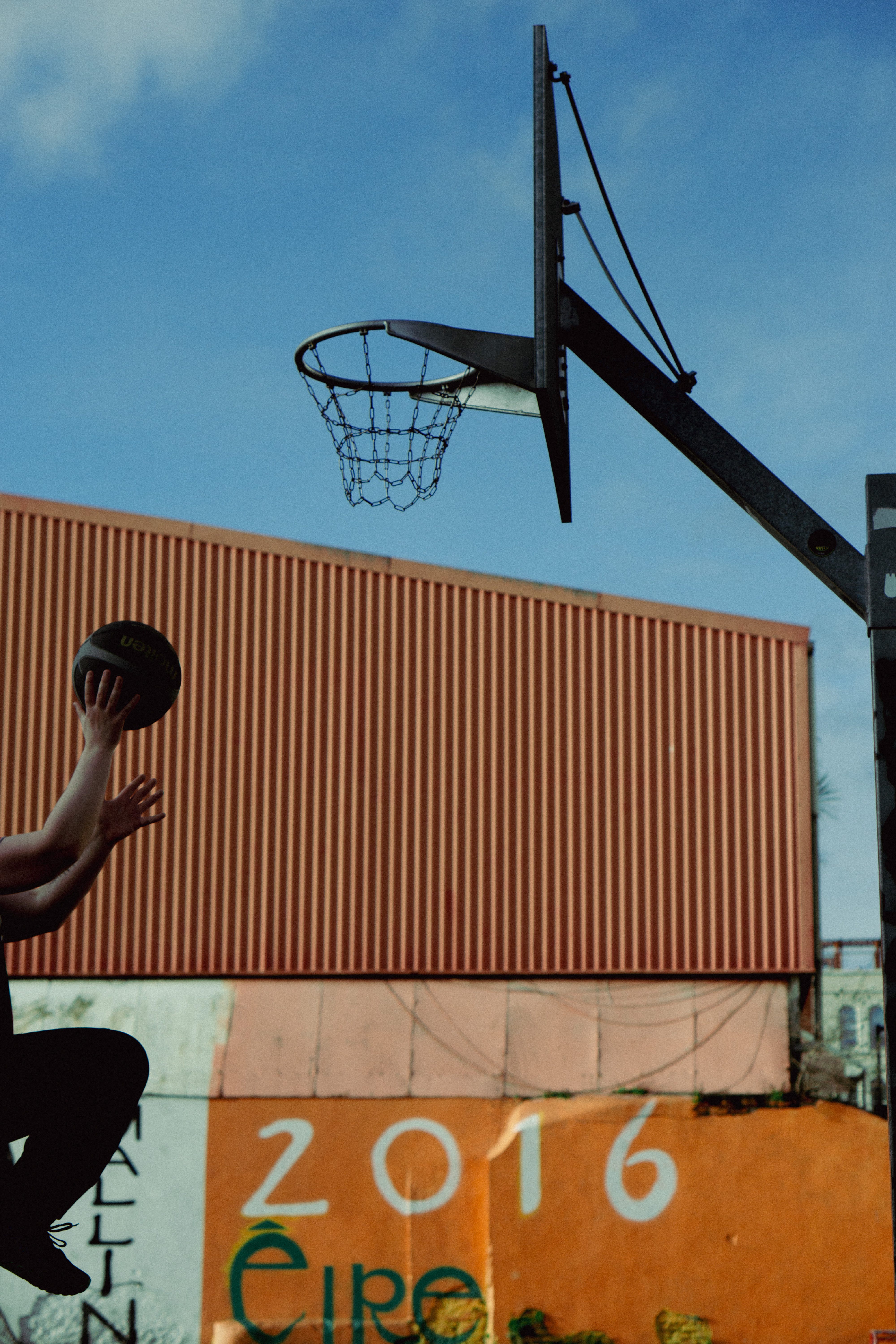
The spectre of new hotels and ‘aparthotels’ loom large over Dublin and nowhere is this more evident than from the perspective of one of the few great sport amenities of the Liberties- the football and basketball court between Francis and Meath Street, Michael Malin Park.
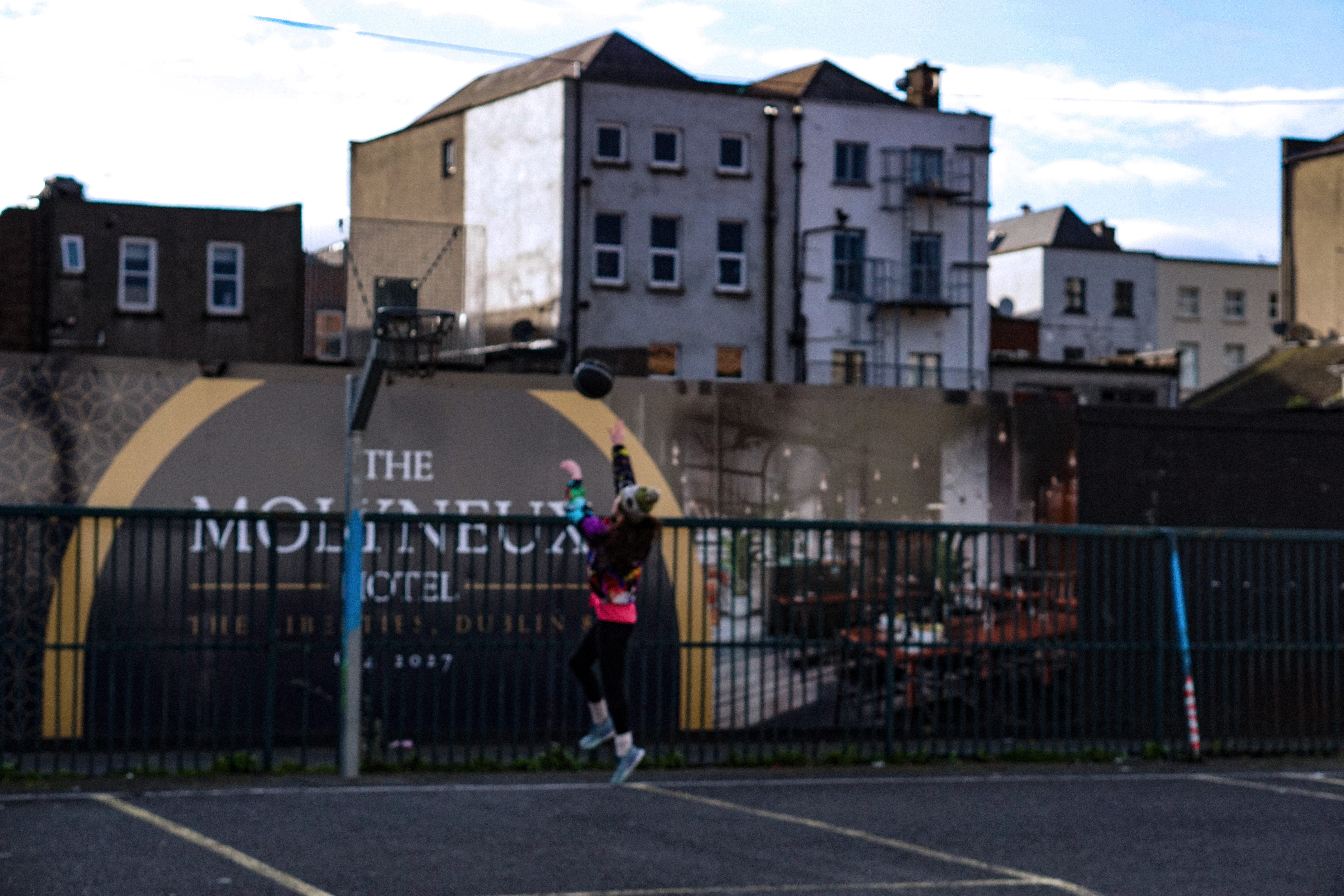
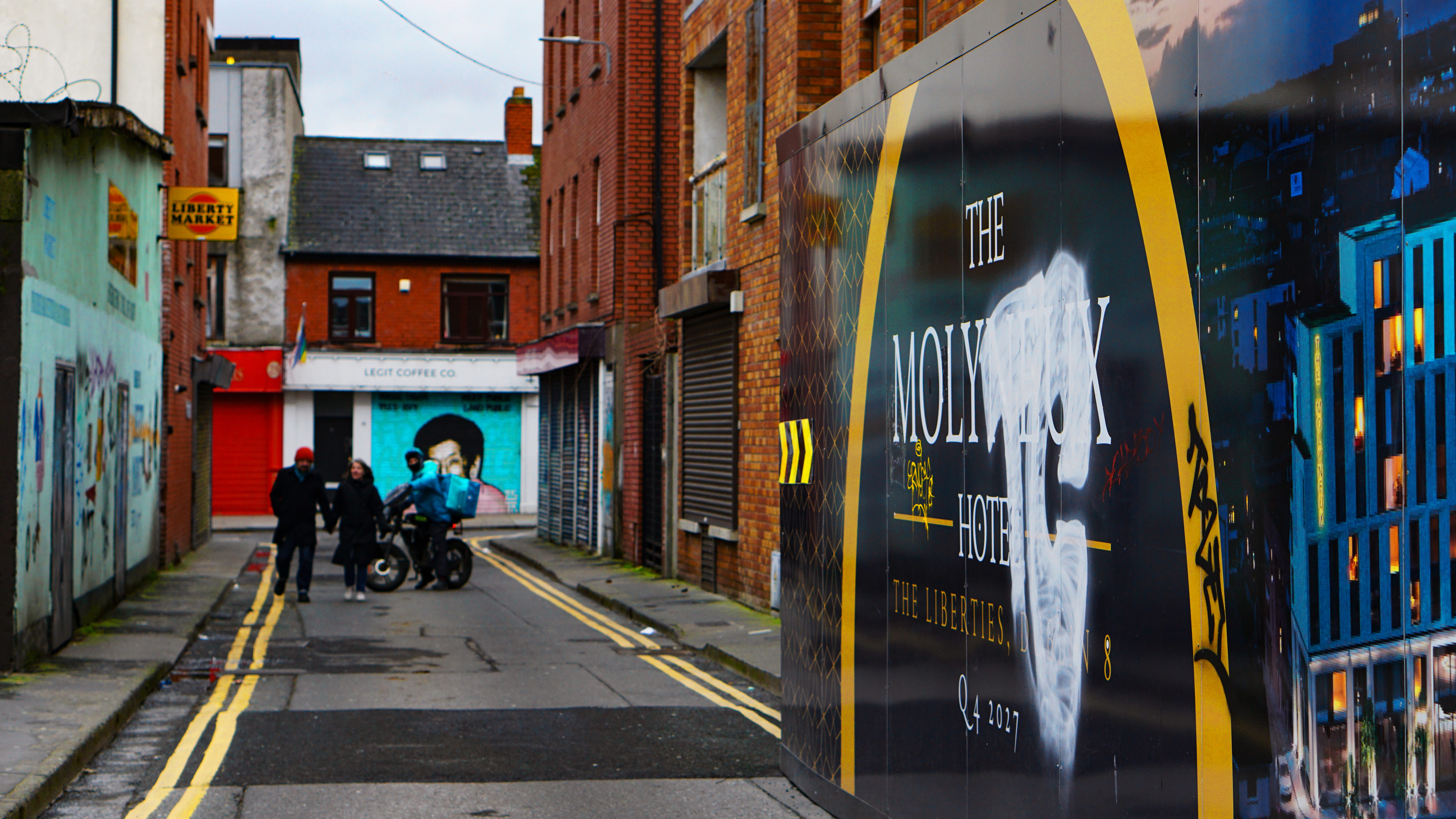
This wonderful little space lies behind Vicar Street and just a stones throw from one of the most chaotically busy streets in Dublin, Thomas Street, yet most of the time it’s quite serene. Surrounded by apartments that are considered the heart of the Liberties, and the iconic ‘Liberties Market’, the west side of the court now features an ominous backdrop - ‘The Molyneux Hotel: Coming 2027’.
In a beautiful, just slightly too-on-the nose metaphor, the hoarding is regularly spray-painted with messages such as ‘More homes, no new hotels' and the less conciliatory ‘Kill the Rich’, and then it is quickly painted over. No micro-resistance to erasure can be tolerated by the developers.
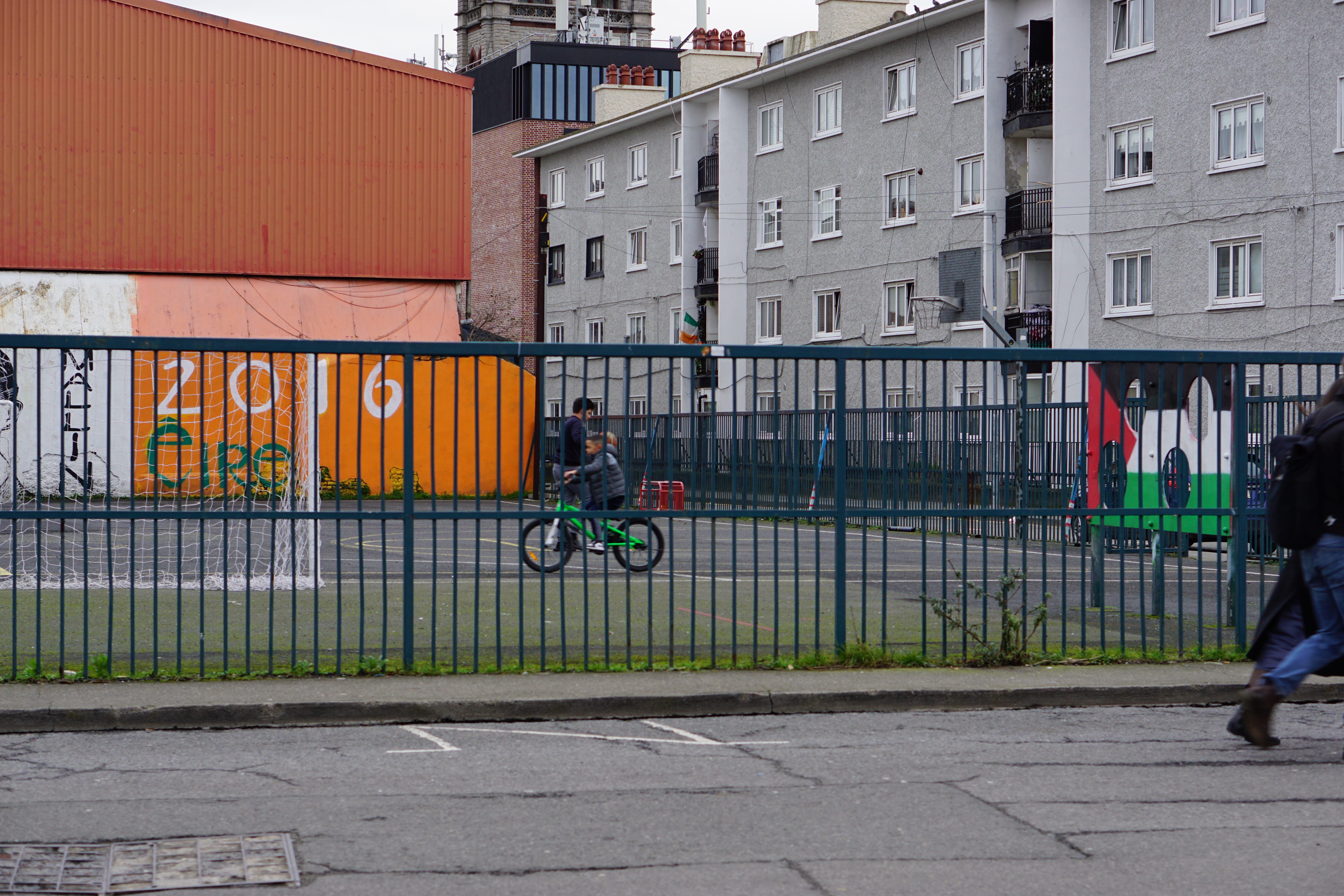
Michael Malin park is adorned with a large mural commemorating the 1916 leader, a nice tribute to Palestine and a pleasant micro-park space recently installed by Dublin City Council. In an area that can feel under siege from the insatiable drive towards over-tourism in Dublin - the adjacent Tivoli space being infamously demolished for a chain aparthotel in 2018- it feels like an oasis of breathing space.
In the hills of Taghazout
I could yabber on for quite a while about the way in which Dublin, and perhaps so many other cities, are hollowing themselves out through over-tourism. But for me the threat of the homogenisation of our living spaces was really brought home while I was also being a vampiric little tourist.
On an ill-fated surf trip to the south-west coast of Morocco earlier this year, where the surf was non-existent, we decided to walk up into the hills above the town of Taghazout.
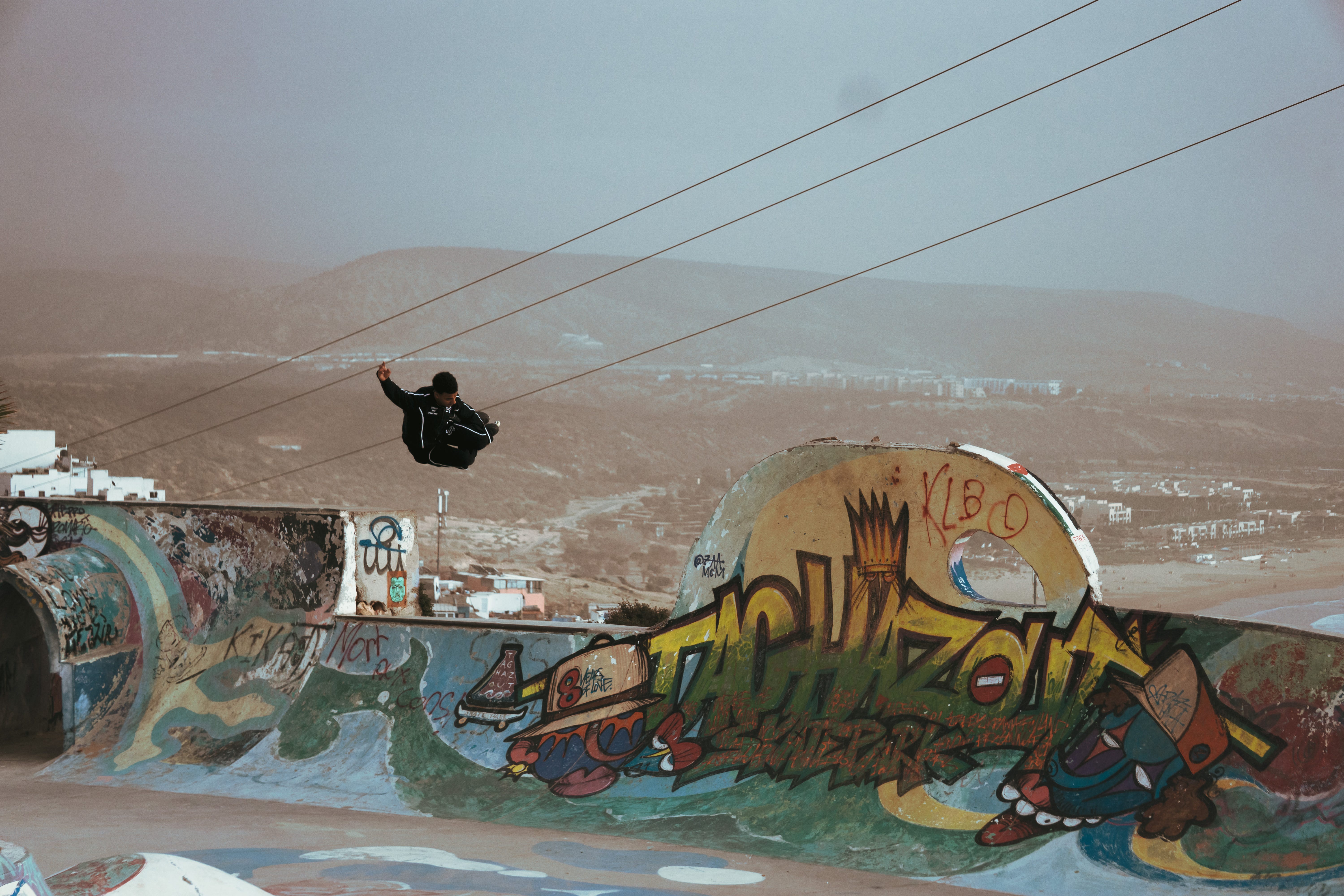
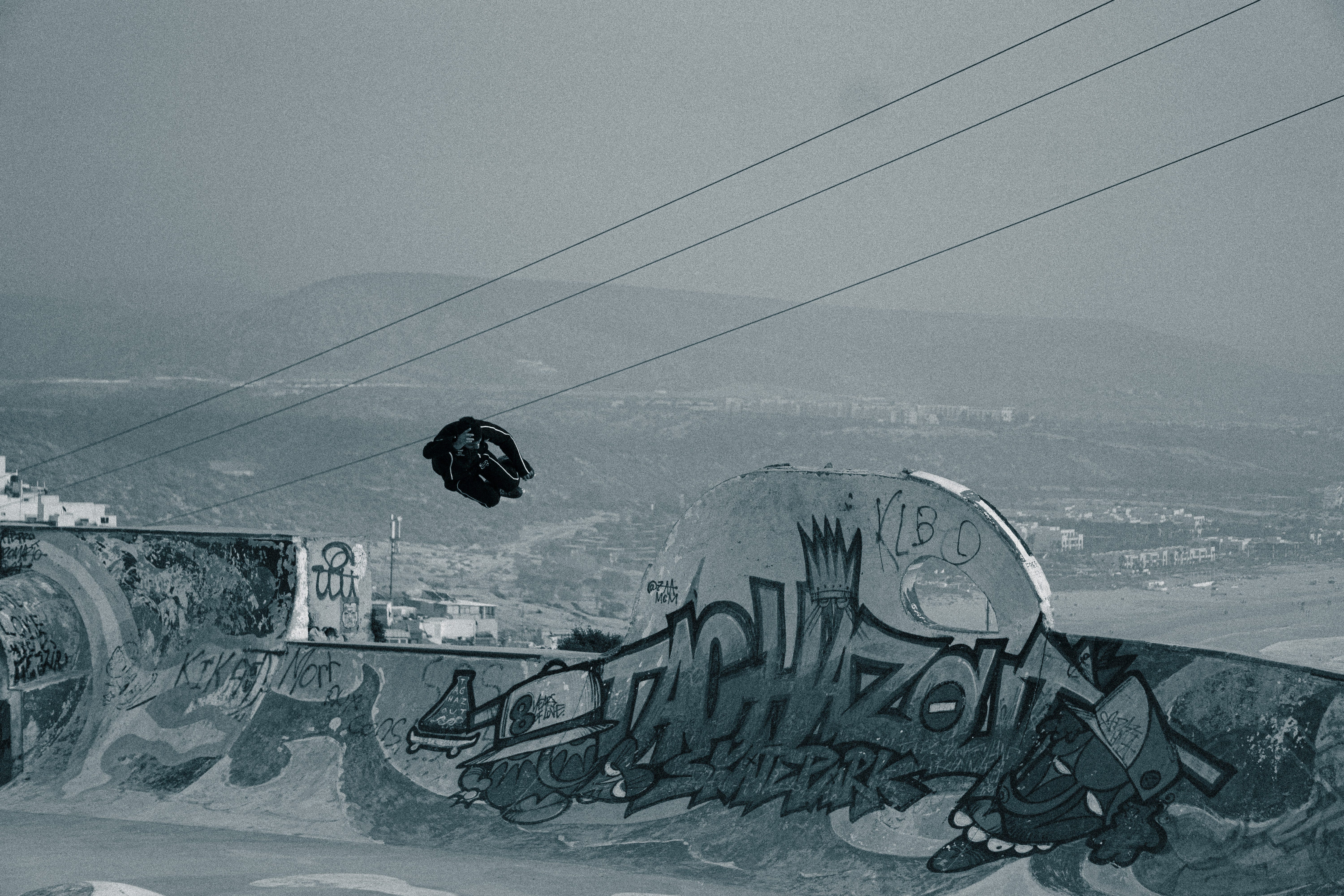
It was there that we came across an impressive skate-park overlooking the coast.
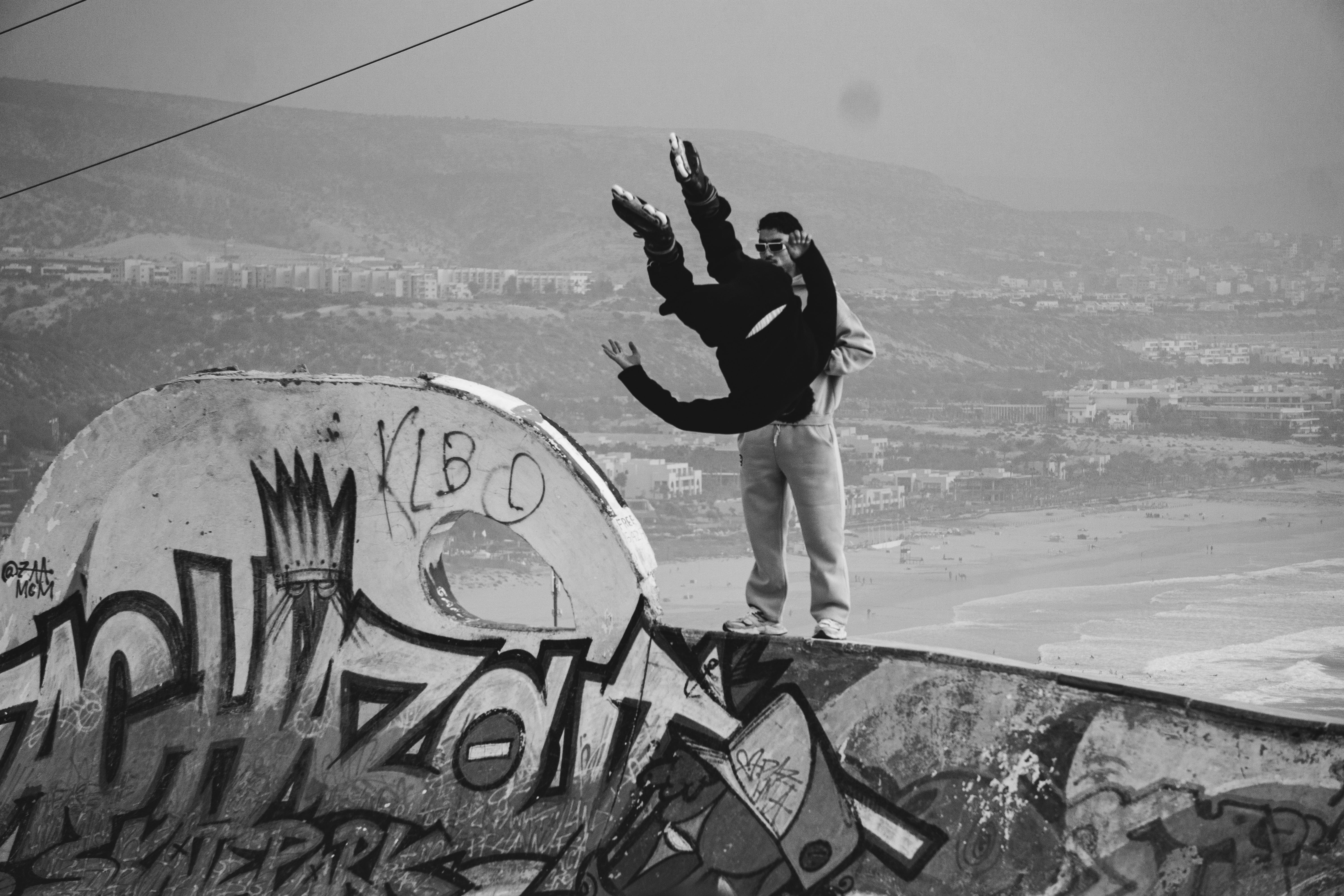
The park was packed: locals and tourists drinking tea and watching skaters of all ages display their tricks on boards and roller skates. It was equally impressive and vicariously terrifying to see some of the younger children fearlessly follow through on even the biggest ramps.
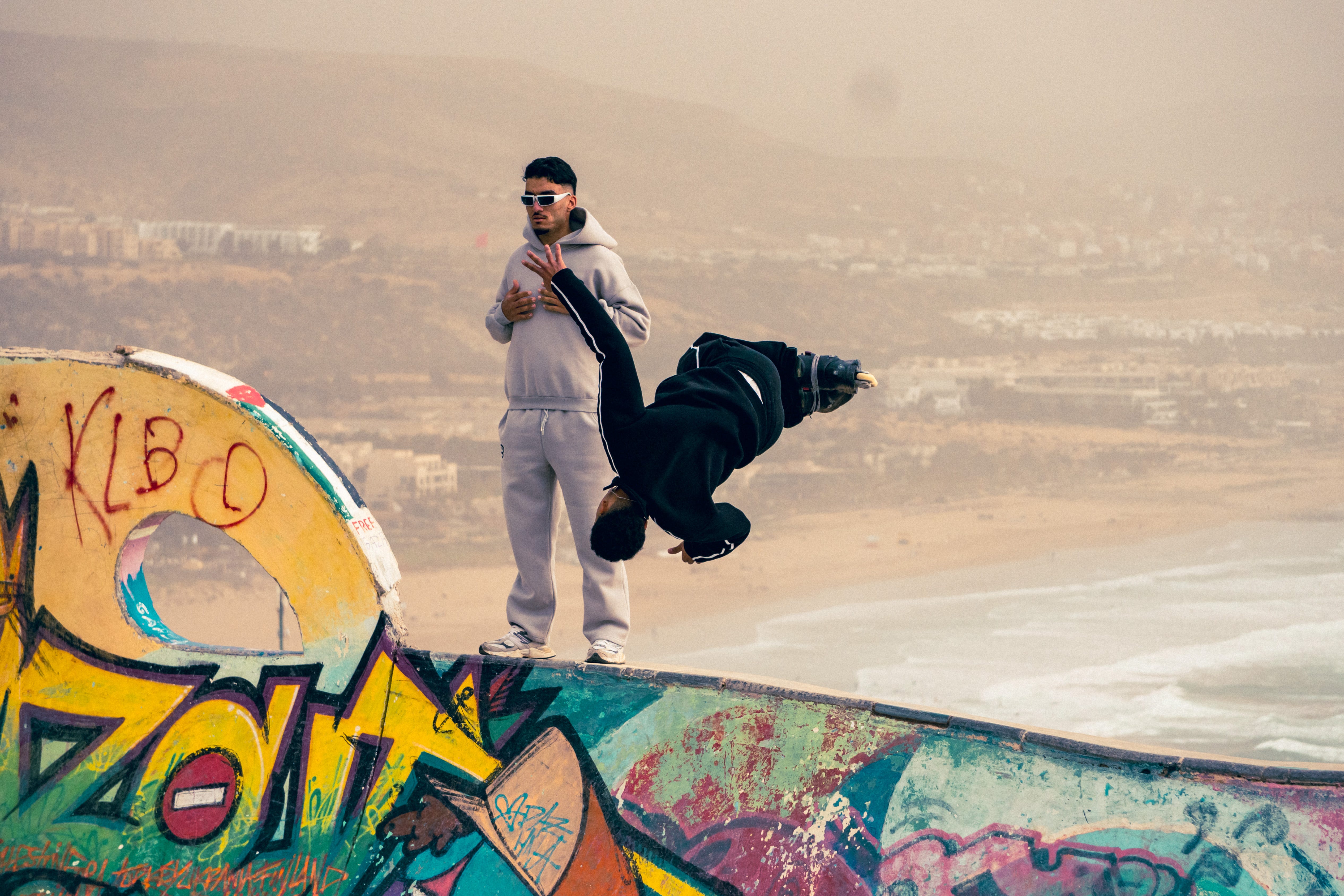
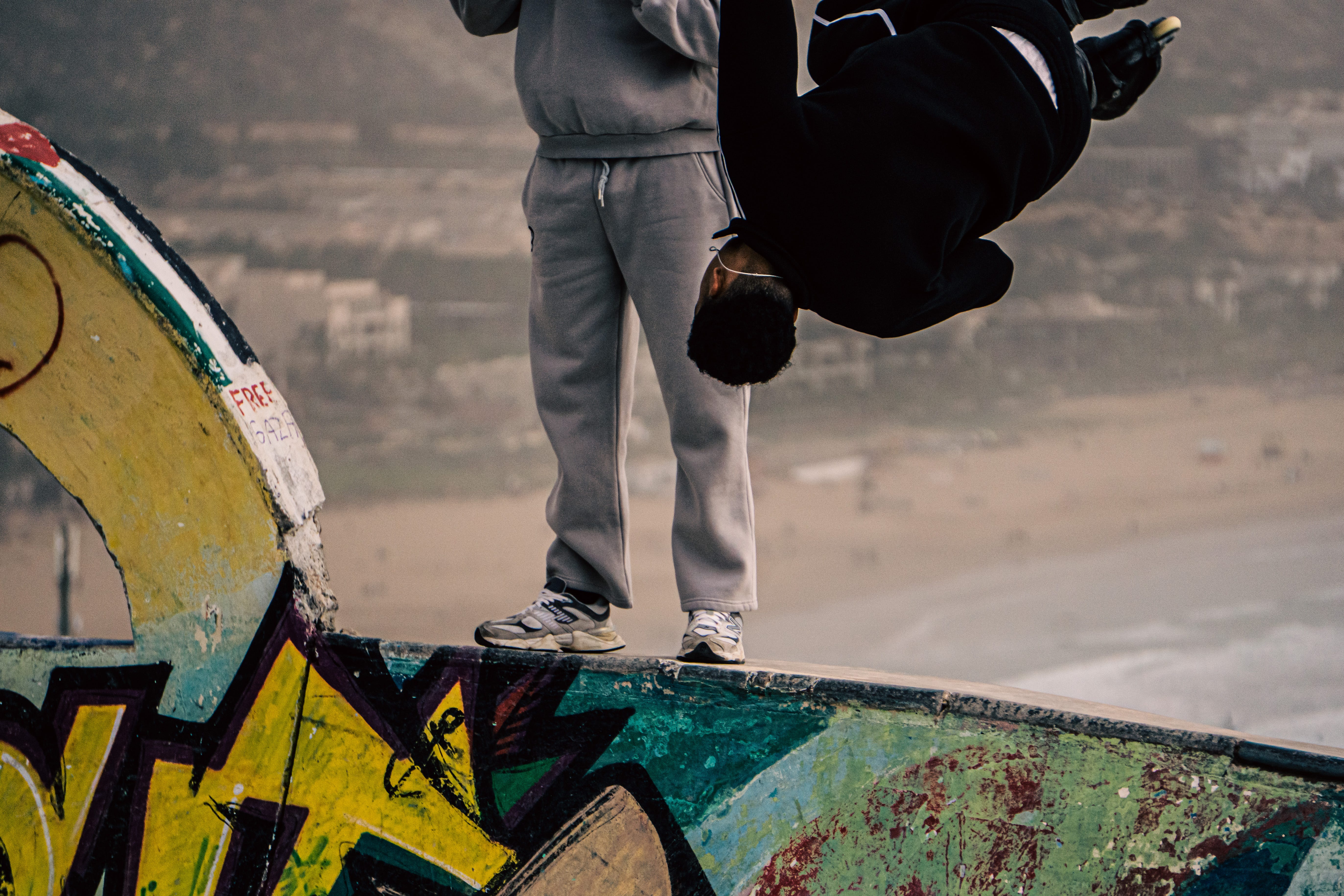
The indisputable central attraction however, was a mysterious young man who had clearly spent a great deal of his life on this course. His roller blading was simply one of the most phenomenal sporting displays we had ever seen. He seemed to generate momentum from nowhere, twisting and turning in the air, only to make every single landing flawlessly.
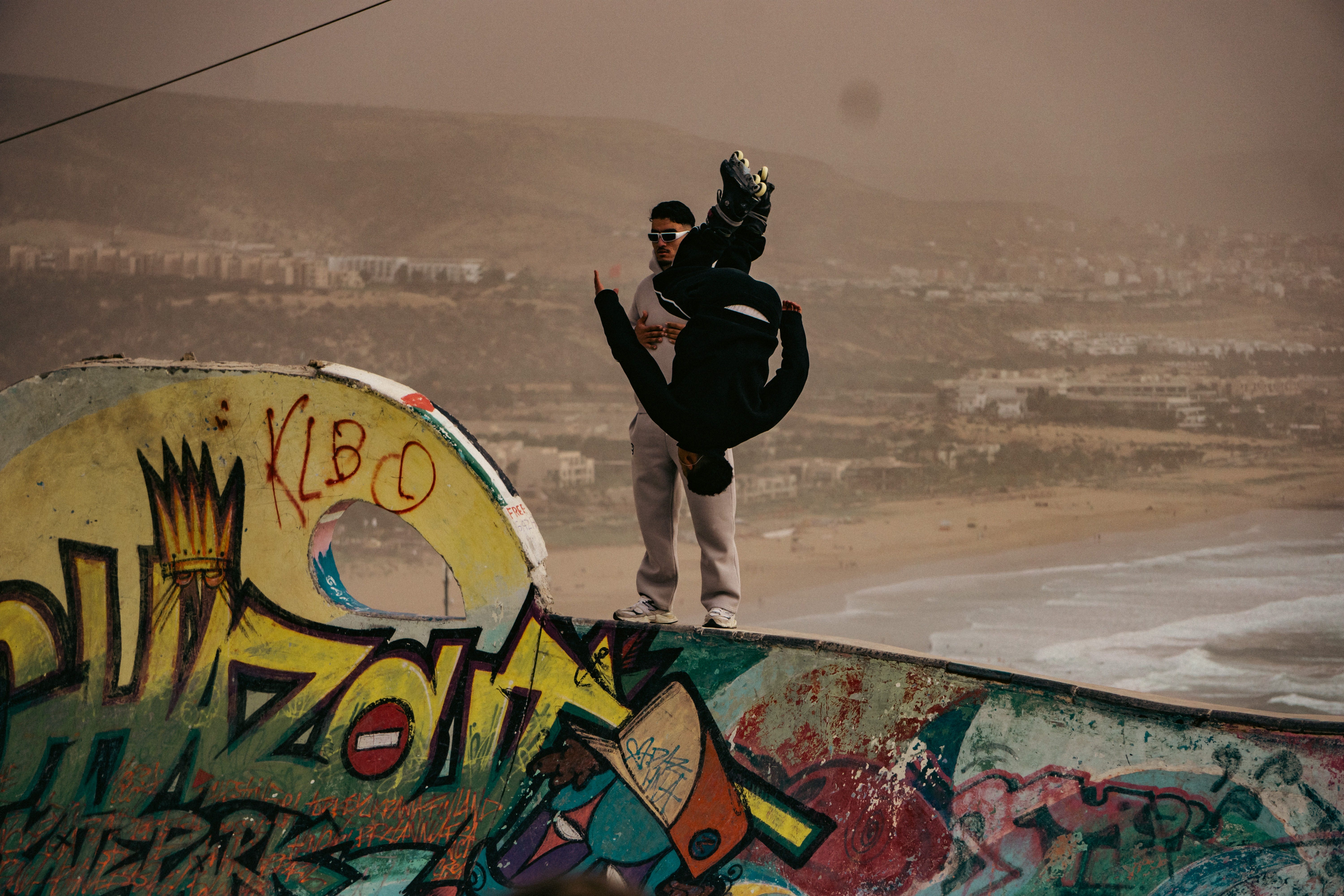
It was hypnotic display and it reminded me how refreshing it is to see non-commercial sport; this man and his entourage were only interested in the purity of the skate, and perhaps impressing the girls that had assembled to watch.
Gazing through the distance, I couldn’t shake that all-too-human fear that comes with observance of something special: how long can this last? Morocco’s parallels with Ireland are telling: a country that has been colonised and impoverished, one that has experienced significant economic growth and now relies on tourist and relationships with global powers that it’s population largely disapproves of.
Development in Morocco, as in Ireland and so many parts of the word, is often a double-edged sword at best and at worst, a Trojan Horse; a euphemism for exploitation of human and natural resources for the benefit of the few.
The previous evening, we sat at a town square in nearby Tamraght that still overlooked the ocean- but not for long; a large hotel was being built to eclipse the view that had existed since the dawn of time. ‘Another five star’, the waiter lamented, with a roll of his eyes.
Resistance
It got me thinking about how to resist these things, about capitalism and misplaced guilt. Yes, most of our own lifestyles are unsustainable- patterns of consumption, travel and digital excess that betray the poor and the future. But who do you know who stays, or has ever stayed, in one of these five star hotels? Who has ever paid to fly ‘first-class’ on an plane? Who has paid 1000 Euro for a concert ticket?
There is a small section of society that is driving the worst trends in our society and they are successful at manipulating the narrative and political landscape to facilitate continuing that, by saying it is in the public interest.
Consider just one mini flashpoint in contemporary Irish politics.
The lifting of the Dublin Airport ‘Passenger cap’ has been successfully spun by the airline and tourism industry, through political, media and business proxies, to be service to the Irish people, whose rights were being ‘violated’ by the cap (of 32 million passengers per year through an airport that is supposed to serve a population of 2 million in the greater Dublin Area). It’s a potent argument in a country with such a consistent tradition of outward migration as Ireland.
The numbers travelling through Dublin airport have surged, in spite of the drastic environmental cost, not primarily because Irish people are travelling more, but because of the two central tenets of the Irish government’s economic policy- tourism, and the state being used as a vassal for US companies.
Take the American Football match that was played in Ireland last year. The government sponsored the game, which involved using taxpayers money to build the infrastructure the National Football League (not the GAA, but the fascist-aligned US-based organisation) to ensure 50,000 international tourists flew to Dublin, requiring an estimated extra 250 return flights. The game was also sponsored by Aer Lingus.
The outrage of this forced the government to produce an economic report to justify the exercise, as most Dubliner’s were left asking ‘who is this for?’ And the report is damning, with the money going into the very systems that are killing Dublin- the hotel/bar racket that has been monopolised by international chains and brands.
Guinness/Diageo, a giant British multinational, with a force of unparalleled cultural appropriation, has carved out a monstrously impressive narrowing of the average tourist’s spend in Dublin, to ensure a maximum amount of their money gets into the hands of the Diageo brand.
The usual reply to this is simple- the cash supports jobs and jobs allow people to live in the city. But what happens when the commodification of the city is so intense that it becomes unaffordable for people to live.
What’s left is a playground for the rich; an empty shell of a former city where a mix of people used to live. This is what happened to most of Manhattan and for those of us who still live between the canals in Dublin, it’s an all-too-evident trend. The old and new wealthy- those who work in the tech and finance companies- can rent and buy along the coast of Dublin, with it’s pretty towns and abundant transport links, and the rest can scavenge for a mortgage in a city where the average price of a home is now €600,000- more than double what it was in 2010. I am only able to live where I do because I have a generous friend who rents it to me for way below the market price.
How do you sell soul to a soulless people who sold their soul?
The housing crisis in Ireland, and Dublin more specifically, is baffling to many. How can our government allow such a chronic crisis that affects so many of its citizens to fester when we have more money in the public coffers than ever? How can they tolerate an issue that is not only depriving its citizens of a basic human right, but also helping to drive inequality and racism in a way that Ireland hasn’t experienced before?
The answer, I believe, is the toxic mix of geography and ideology that has plagued Ireland for decades. The people who make the most critical decisions about Dublin are rarely people who live in it.
If you are a TD from outside of Dublin living a frictionless door-to-door life, insulated from the conditions and people of the city, you can ignore the effects of your decisions and allow yourself to continue believing you ideology of lazy-faire capitalism actually works for Ireland.
Patrick O’ Donovan is the Minister for Culture, Communications and Sport. Defending his decision to push through public funding for the American Football game in Dublin last year, he boasted that ‘Dublin was buzzing in the week ahead of the fixture’ and in the same video message that he was sorry he couldn’t be there to experience it. I have never seen the Minister, who is a TD for Limerick County, in Dublin except in the Dáil.
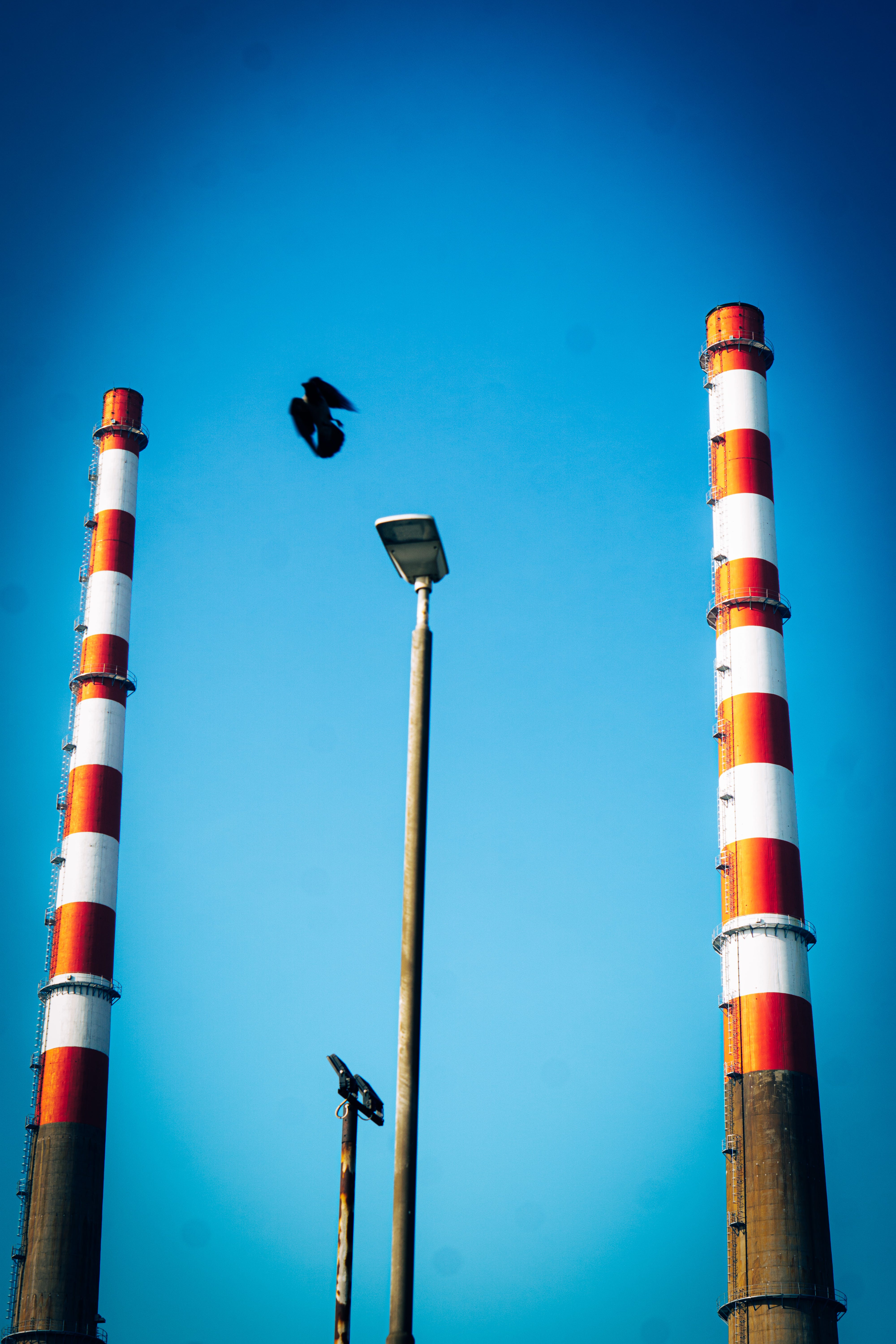
It reminds me of the battle that John Gormley, a Dublin Green TD, fought for many years to prevent the incinerator at Poolbeg in Dublin. Anyone who has any appreciation for the Dublin skyline or the cities air quality would never consider the imposition of a waste burning incinerator smack bang in the most beautiful view Dubliners have and so close to where they live. And no one who has any sense of public service or indeed any sense at all would ever agree to a ‘“put-or-pay” clause with a US-based contractor running the incinerator that means Dublin City Council must provide 320,000 tonnes of waste per year to the plant or face fines of up to €351 million. But that is exactly what Dublin City Council and Phil Hogan, a notoriously obnoxious TD for Kilkenny did, once he replaced Gormley in the role.
I have nothing personally against Patrick O’ Donovan, or any of the government, but their actions, and their inability to prioritise anything other than foreign direct investment, often reminds me of the great Public Enemy comeback album ‘How You Sell Soul to a Soulless People Who Sold Their Soul???’
It’s a crazy title but it sums up the intransigence of centre-right politicians. How can you deal with people who don’t prioritise values over money; who can’t see past the self-reinforcing logic of their own approach to economics?
Nothing epitomises this more that the government’s refusal to pass the Occupied Territories Bill. The extent to which the current government has resisted the Bill has revealed a fealty to the United States that is so slavish, it is publicly undermining the independence of our Republic. It shows a care only for perpetuating a system rather than leading a society.
So how does this relate to Morocco?
Well it’s about what you value. And it’s about who gets to enjoy the view.
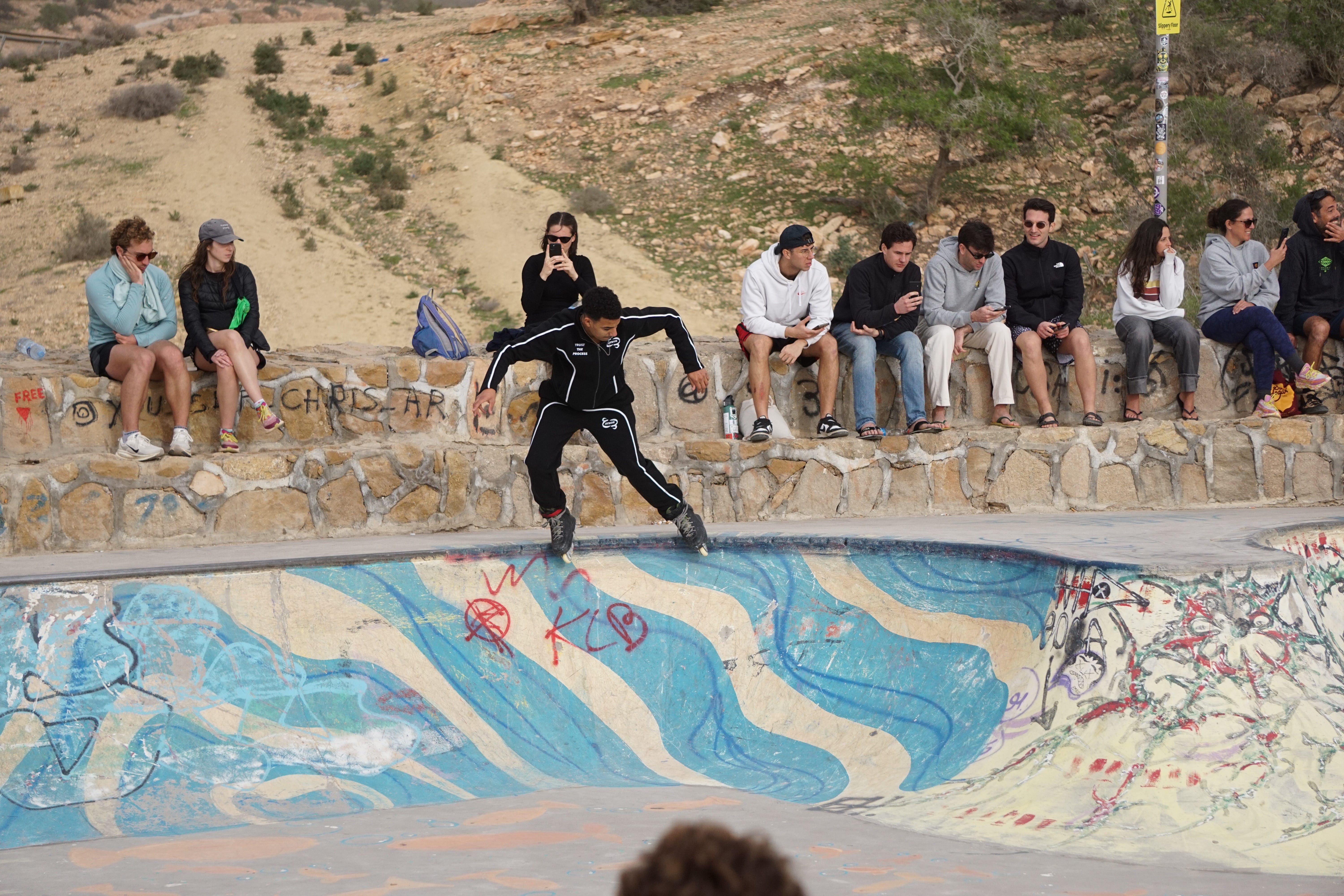
Where the value of the unquantifiable become subjective, capitalism always favours the profit seekers. How long can public spaces survive when there is money to be made?
When the skaters had finished up, and we all set about to head home, I approached the young man who had dazzled us all that afternoon, to thank him for his performance and for allowing me to photograph him.
He had almost no English and I have no Tamazight or Arabic beyond ‘Shukran’, but when he saw I was wearing a Palestine football jersey he smiled and said ‘Free Palestine.’ It was wonderful moment of shared understanding and we then hugged quite spontaneously.
The struggle of Palestine is the struggle of the world. Because what Palestine has revealed is the extent to which interests outside of the public interest have been prioritised over very basic morality.
Palestine has united the great majority of people who refuse to accept the existence of genocide and colonial domination in the modern world. But it has also revealed that there are many people who believe the opposite: people who are willing to tolerate the most depraved consequences of inhumanity if it allows their conception of a good life to continue.
When I got home, I uploaded the photos and noticed something that I had somehow missed on the day. On the lip of the ramp, in the spot where they knew people would be focusing, the skaters had painted a simple ‘Free Gaza’ message, along with the Palestinian flag.
Seeing it made me smile from ear to ear.
Thanks for reading and…
Free Palestine!
Listening to:
Harder than you think, Public Enemy
Come Mai, 883
Black boys on mopeds, Sinead O’ Connor
All you Children, Jamie XX & The Avalanches
Tree Frog, Hope
Seguir, Gustavo Santolla
Angel of the Morning, Juice Newton
Bringing the Light, Zbigniew Preisner
And the Colour Red, Underworld
Border Country, Underworld
We Didn’t Know We Were Ready, Talos & Olafur Arnolds, Niamh Regan & Ye Vagabonds
Great piece and beautiful photos!